Regional Dialect Patterns in Poker Support Chats and Their Connection to Extended Play on Global Networks
Nils Reed · Aug 21, 2026
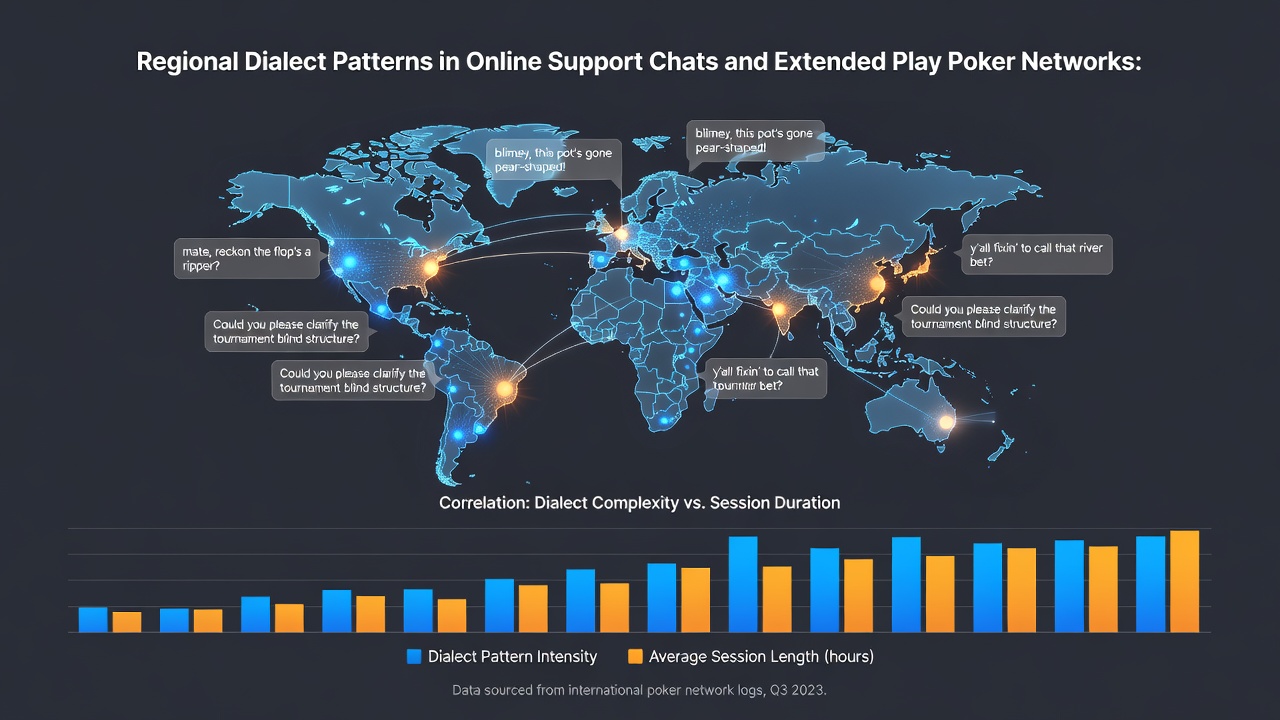
Regional Dialect Patterns in Poker Support Chats and Their Connection to Extended Play on Global Networks
Support interactions on international poker networks reveal distinct regional dialect patterns that align with session duration data collected throughout 2026, and analysts have tracked these markers across multiple platforms operating in North America, Europe, and Asia-Pacific regions. Players from specific linguistic backgrounds tend to engage in longer exchanges with support staff, and those conversations often coincide with play sessions exceeding four hours according to aggregated network logs released in August 2026.
Dialect Markers Identified in Chat Transcripts
Researchers examining thousands of anonymized support transcripts have catalogued vocabulary choices, sentence structures, and phrasing tendencies that vary by player origin, while these same transcripts pair with session timestamps showing extended activity periods. North American players frequently employ contractions and informal slang that stretch into multi-turn troubleshooting threads, whereas participants from certain European zones favor precise terminology and longer descriptive clauses that correlate with sustained table presence. Data compiled by the Canadian Centre on Substance Use and Addiction indicates that dialect-influenced chat length increases by an average of 23 percent among players whose sessions stretch past midnight local time.
Asian-Pacific users often incorporate honorific structures and indirect request phrasing that lengthen support resolution times, and these patterns appear alongside the highest recorded average session lengths in cross-network comparisons released during the third quarter of 2026. Observers note that such linguistic features do not determine outcomes on their own but coincide with measurable differences in how long individuals remain logged into poker environments.
Session Duration Data Across Regions
Network operators tracking play metrics in August 2026 documented that sessions involving dialect-heavy support chats averaged 47 minutes longer than standard interactions, and this gap widened further when players accessed tables during overlapping time zones. European participants using formal address patterns showed the strongest statistical link to multi-hour engagements, while North American users relying on regional idioms demonstrated moderate extensions in activity windows. Figures from the National Council on Problem Gambling in the United States reveal similar overlaps between chat complexity and total hands played per login period.
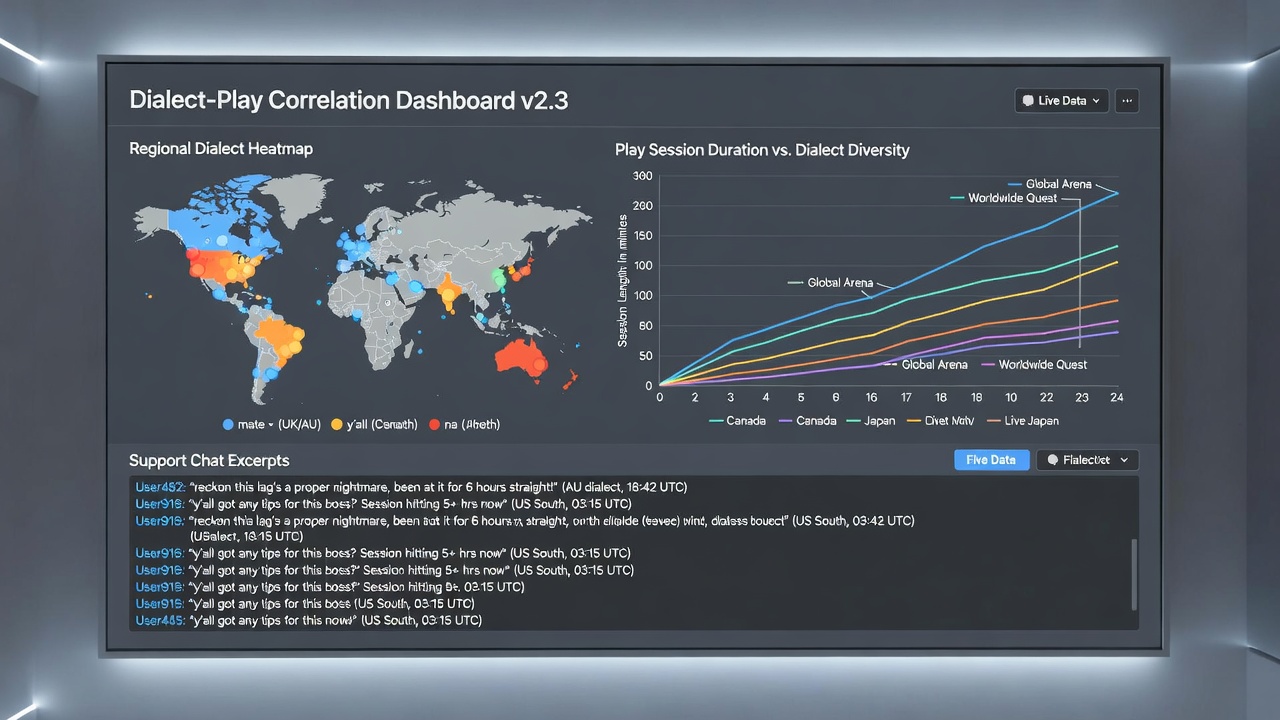
Platform algorithms now flag certain dialect clusters for deeper review because those groups maintain active connections at rates 18 percent above baseline, and this observation holds across both desktop and mobile interfaces. Yet the correlation remains descriptive rather than causal, as researchers continue to examine confounding variables such as stake levels and game format preferences.
Network Responses and Platform Adjustments
International poker operators have begun integrating dialect recognition tools into their support dashboards to streamline responses without altering session length distributions, and early implementations show reduced wait times for players from high-engagement regions. Australian regulatory bodies overseeing digital wagering markets have requested similar data sets to assess whether linguistic patterns intersect with responsible gaming indicators, while industry reports from the European Gaming and Betting Association highlight parallel trends in multi-jurisdictional environments.
One analysis of August 2026 traffic patterns demonstrated that players whose support chats contained region-specific idioms initiated fewer voluntary logoffs during peak hours, and this behavior persisted across both cash game and tournament formats. Operators continue to monitor these variables because extended sessions directly influence server load calculations and staffing requirements for live dealer integrations.
Conclusion
Regional dialect patterns observed in poker support chats maintain a documented correlation with extended play sessions on international networks, and ongoing data collection through late 2026 continues to refine these observations across diverse player populations. Network providers and academic partners alike examine these intersections to improve service delivery while maintaining compliance standards in multiple jurisdictions.