Decoding Verification Layers That Dictate Fund Release Speeds Across Multi-State Digital Gaming Networks
Drew Ludwig · Oct 19, 2026
Decoding Verification Layers That Dictate Fund Release Speeds Across Multi-State Digital Gaming Networks
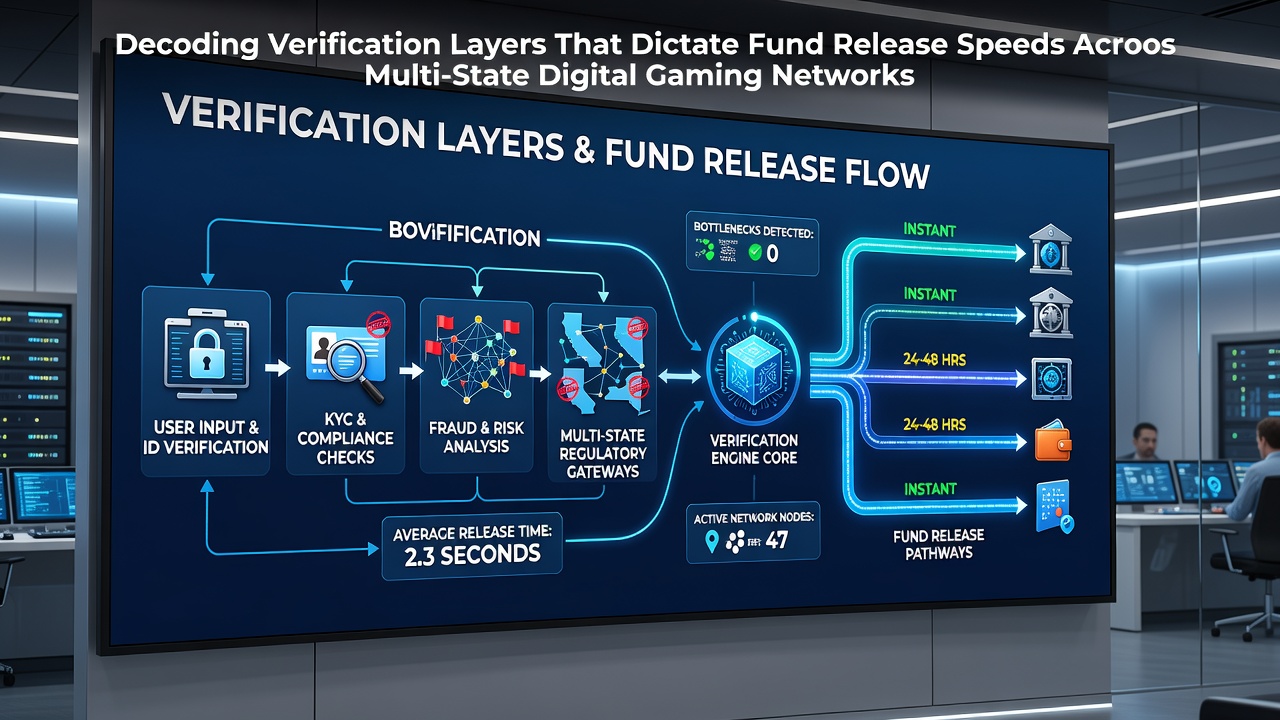
Verification layers in multi-state digital gaming networks operate as sequential gates that process identity checks, compliance screenings, and jurisdictional approvals before any funds move, and these steps directly influence how quickly players receive payouts across state lines.
Operators must navigate differing state regulations that layer additional reviews on top of federal requirements, which creates variable timelines depending on where a player resides and where the platform holds its licenses.
Core Components of Verification Protocols
Identity verification forms the first layer and typically involves document uploads, biometric matches, and address confirmation that platforms run through third-party services, while anti-money laundering screens follow immediately after to flag suspicious patterns in transaction history or funding sources.
State-specific licensing adds another dimension because platforms licensed in multiple jurisdictions must cross-reference player locations against approved betting regions, and this process often requires real-time geolocation data that feeds into automated decision engines.
How Regulatory Overlaps Extend Processing Times
Platforms operating across states such as New Jersey, Pennsylvania, and Michigan encounter overlapping rules that force sequential rather than parallel checks, and data from industry reports shows these overlaps can stretch standard verification from hours into multiple business days when manual review becomes necessary.
One case highlighted by observers involved a player attempting a withdrawal during October 2026 when an additional state audit triggered extra documentation requests, delaying release by 72 hours beyond the platform's advertised window.
Payment method selection interacts with these layers because certain e-wallets and cryptocurrency options bypass some banking verification steps, whereas traditional wires and ACH transfers trigger extra compliance holds that align with varying state banking integration standards.

Impact of Automated Versus Manual Reviews
Automated systems handle the majority of routine verifications using algorithms that score risk profiles in seconds, yet flagged accounts shift to manual queues where compliance teams examine supporting evidence and this handoff accounts for most reported delays according to platform operational summaries.
Researchers tracking multi-state networks found that accounts with prior activity across borders receive heightened scrutiny because transaction trails must satisfy every involved state's record-keeping mandates, and this requirement extends review windows even when initial flags clear quickly.
Regional Variations in Approval Timelines
Platforms report faster average release speeds in states with unified regulatory frameworks compared to those requiring separate filings for each transaction batch, and October 2026 figures from several operators indicated a 15-20 percent difference in median payout times between streamlined and fragmented jurisdictions.
Players who maintain consistent verification profiles across sessions encounter fewer interruptions, whereas those who update addresses or funding methods mid-cycle restart portions of the process and face repeated screenings that compound delays.
Industry associations such as the American Gaming Association have documented how these layered requirements shape operational strategies, while academic analyses from university gaming research centers emphasize the role of integrated databases in reducing redundant checks.
Future Adjustments in Multi-State Systems
Emerging shared verification platforms allow operators to pool approved player data under strict privacy controls, which can shorten subsequent fund release cycles once initial onboarding clears all relevant state hurdles, and several networks began piloting these systems in late 2026.
Yet the ball remains in each state's court regarding adoption timelines, because regulatory bodies continue to weigh data-sharing benefits against jurisdictional control priorities.
Conclusion
Verification layers across multi-state digital gaming networks function as interconnected filters that balance compliance demands with operational efficiency, and their combined effect determines the practical speed of fund movements for participants in these expanding systems. Data from regulatory filings and operator disclosures continues to map how incremental changes in one layer ripple through the entire release process.