Decoding Synchronization Challenges Between Loyalty Tiers and Real-Time Payout Processing in Multi-Jurisdiction Digital Wagering Networks
Uma Frank · Aug 4, 2026
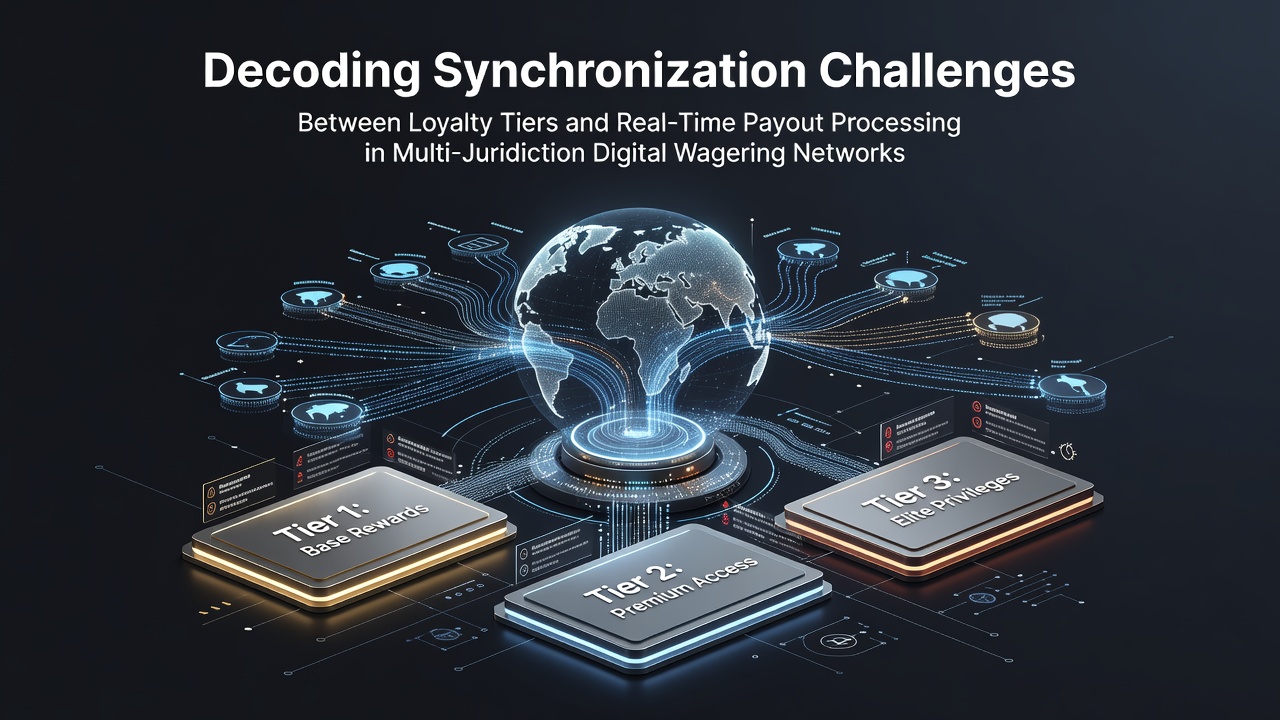
Decoding Synchronization Challenges Between Loyalty Tiers and Real-Time Payout Processing in Multi-Jurisdiction Digital Wagering Networks
Digital wagering platforms must align loyalty tier structures with real-time payout mechanisms while operating across multiple jurisdictions, and this alignment creates technical and regulatory hurdles that operators address through integrated software systems. Loyalty programs track player activity to assign benefits such as cashback percentages or withdrawal fee reductions, whereas real-time processing requires instant verification of funds availability and compliance checks before any transaction completes.
Loyalty Tier Mechanics in Wagering Environments
Platforms calculate tier status using metrics like total wagered amounts, session frequency, and deposit volumes, then apply corresponding reward levels that adjust dynamically as players progress. Data from industry reports indicates that higher tiers often unlock faster payout queues or higher daily limits, yet these adjustments demand constant synchronization with backend payment processors to avoid discrepancies. Observers note that mismatches occur when a player reaches a new tier mid-session, triggering an update that the payout system must recognize before authorizing a withdrawal request.
Real-Time Payout Requirements
Real-time payout systems rely on automated approval workflows that cross-reference account balances, transaction histories, and jurisdiction-specific rules within seconds of a request submission. According to figures from the American Gaming Association, commercial gaming operators processed increasing volumes of instant withdrawals in 2025, with many networks aiming for sub-minute completion times under optimal conditions. These systems integrate with banking partners and digital wallets while embedding fraud detection layers that scan for patterns across global user bases.
Core Synchronization Issues
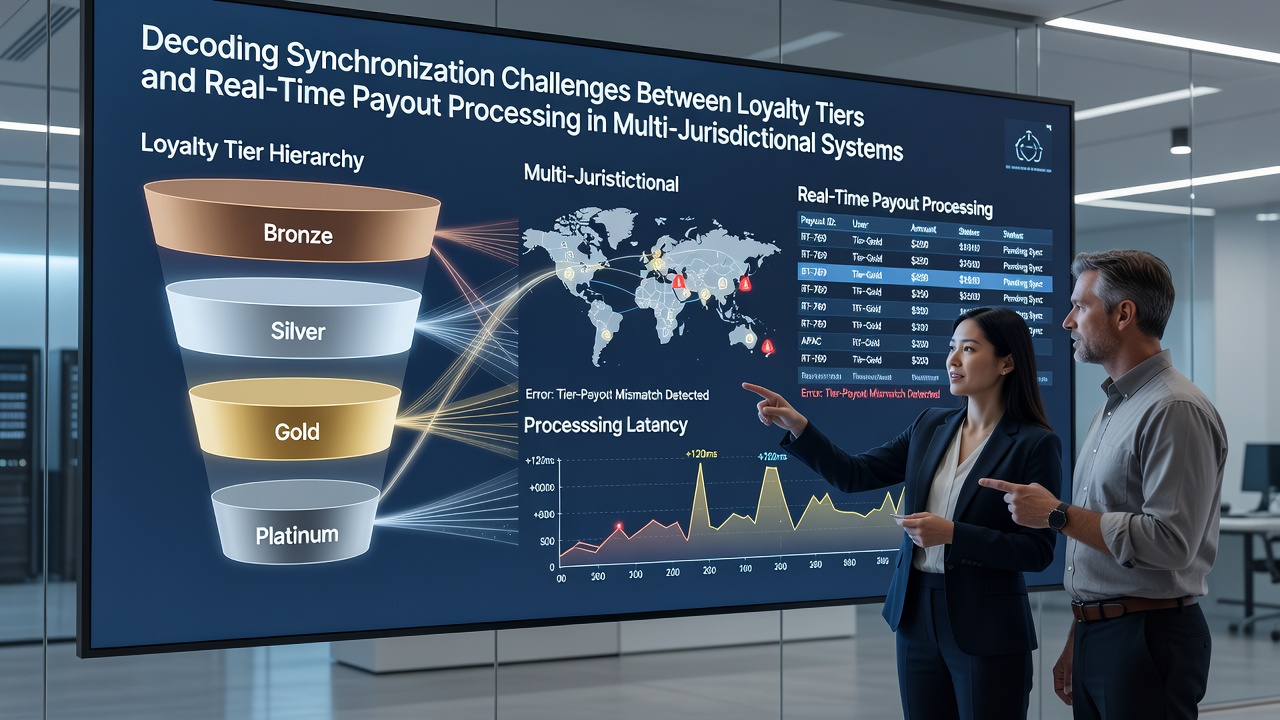
Challenges arise because loyalty tier data resides in separate databases from payout ledgers, and latency in data replication can delay benefit application during high-traffic periods. Researchers have identified cases where a player eligible for tier-based fee waivers encounters standard rates because the payout engine pulls stale tier information. Multi-jurisdiction networks compound this problem since regulatory requirements for player verification and tax withholding differ by location, forcing the system to route each request through location-aware compliance modules before final approval.
But here's the thing: when a user changes jurisdictions mid-activity, such as traveling between states or countries, the platform must re-evaluate both tier eligibility and payout permissions against new rulesets without interrupting ongoing sessions. Studies found that API mismatches between loyalty modules and payment gateways lead to temporary holds, where funds sit pending until manual review resolves the conflict.
Regulatory Variations Across Regions
Jurisdictions impose distinct timelines for transaction reporting and player fund segregation, which means a payout approved instantly in one area may require additional holds elsewhere to meet local standards. Evidence suggests that operators serving both European and North American markets deploy geo-fenced rule engines that adjust processing speeds and documentation requirements based on detected user locations. One study revealed that synchronization failures spike during peak events when simultaneous requests from multiple regions overload shared verification queues.
Turns out these networks often employ middleware layers to translate tier benefits into payout parameters on the fly, yet updates to regulatory databases in August 2026 have forced several platforms to recalibrate their synchronization protocols. Industry organizations such as the European Gaming and Betting Association have published guidelines on maintaining data consistency across borders, and operators reference these when refining their architectures.
Technical Approaches to Alignment
Developers implement event-driven architectures where tier changes publish messages to payout systems in real time, allowing immediate recalculation of available withdrawal options. Academic research from institutions examining fintech applications in gaming shows that distributed ledger elements can provide immutable records of tier status and transaction approvals, reducing disputes over eligibility. Those who've studied these setups know that caching strategies help maintain performance, although they introduce risks of outdated information if refresh intervals exceed processing windows.
Platforms also conduct regular audits that compare loyalty histories against payout logs to identify gaps, and findings from such reviews guide refinements in data pipelines. What's interesting is how these audits sometimes uncover jurisdiction-specific edge cases, like currency conversion rules that affect tier thresholds differently than payout amounts.
Conclusion
Multi-jurisdiction digital wagering networks continue to refine the connections between loyalty tiers and real-time payouts through layered software and compliance frameworks. Data shows that successful synchronization supports smoother player experiences while meeting varied legal obligations across regions. As networks expand, ongoing adjustments to these systems remain central to operational stability.