Cultural Influences on Biometric Verification Patterns in Cross-Platform Digital Wagering Environments
Devon Sullivan · Nov 2, 2026
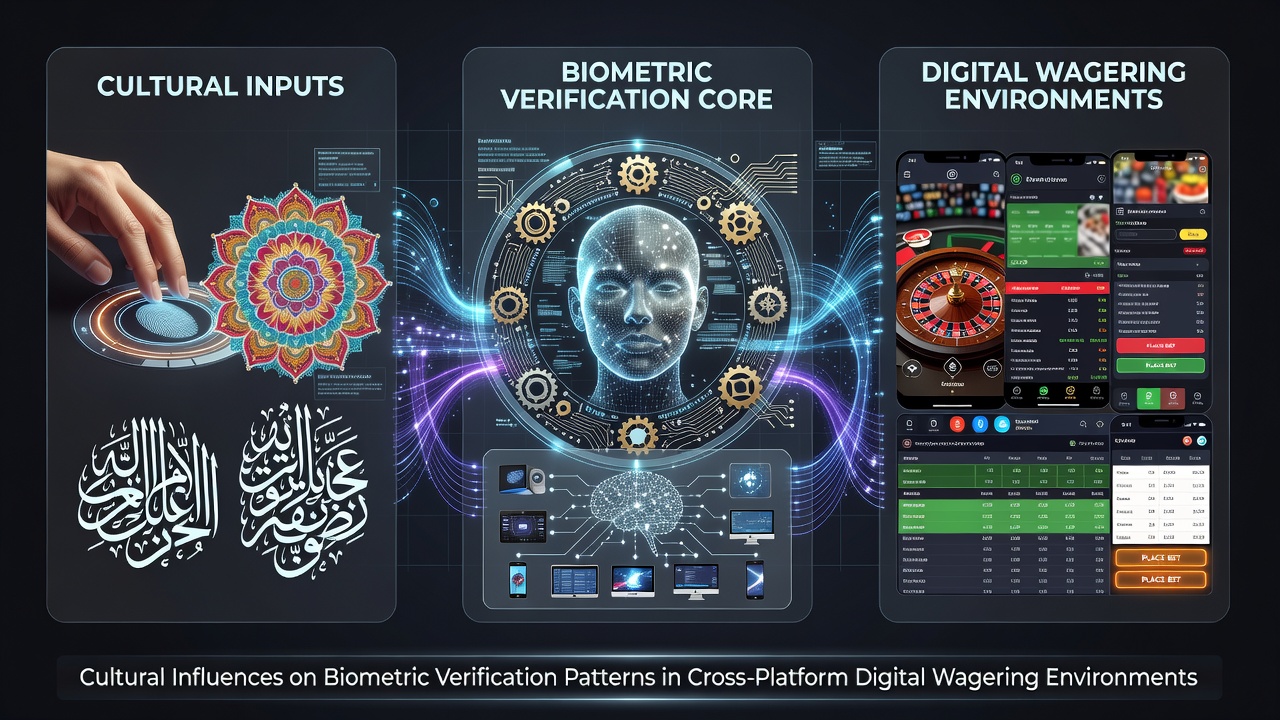
Cultural Influences on Biometric Verification Patterns in Cross-Platform Digital Wagering Environments
Biometric verification has become a standard feature in cross-platform digital wagering environments, where operators rely on fingerprint scans, facial recognition, and voice authentication to confirm user identities across mobile apps, desktop sites, and integrated live dealer interfaces. Research from academic institutions shows that cultural backgrounds shape how users interact with these systems, with adoption rates varying by region due to differences in privacy norms, technology familiarity, and regulatory expectations.
Regional Variations in Biometric Adoption
Data collected through industry reports indicates that users in East Asian markets demonstrate higher acceptance of facial recognition technologies for wagering account access, whereas European participants often prefer fingerprint methods when available on the same platforms. Studies conducted in 2025 found that these patterns persist across device types, with mobile sessions showing quicker completion times in regions where biometric tools align with everyday payment and identity practices. Observers note that cross-platform consistency becomes essential because users frequently switch between devices during live events, and mismatched verification options lead to session interruptions.
November 2026 figures from multiple wagering operators reveal continued growth in biometric usage, particularly in markets where local regulations encourage secure digital onboarding. Those who have examined transaction logs report that verification drop-off rates decrease when platforms offer culturally familiar methods, such as palm vein scanning in certain Southeast Asian jurisdictions.
Privacy Concerns and Trust Factors
Cultural attitudes toward data sharing influence whether participants complete biometric enrollment during account setup. In areas with strong collective data protection traditions, users complete facial scans at lower rates than in regions where government-backed digital identity systems already incorporate similar technologies. Evidence from cross-border studies suggests that trust increases when operators display clear explanations of how biometric data remains isolated from wagering activity records.
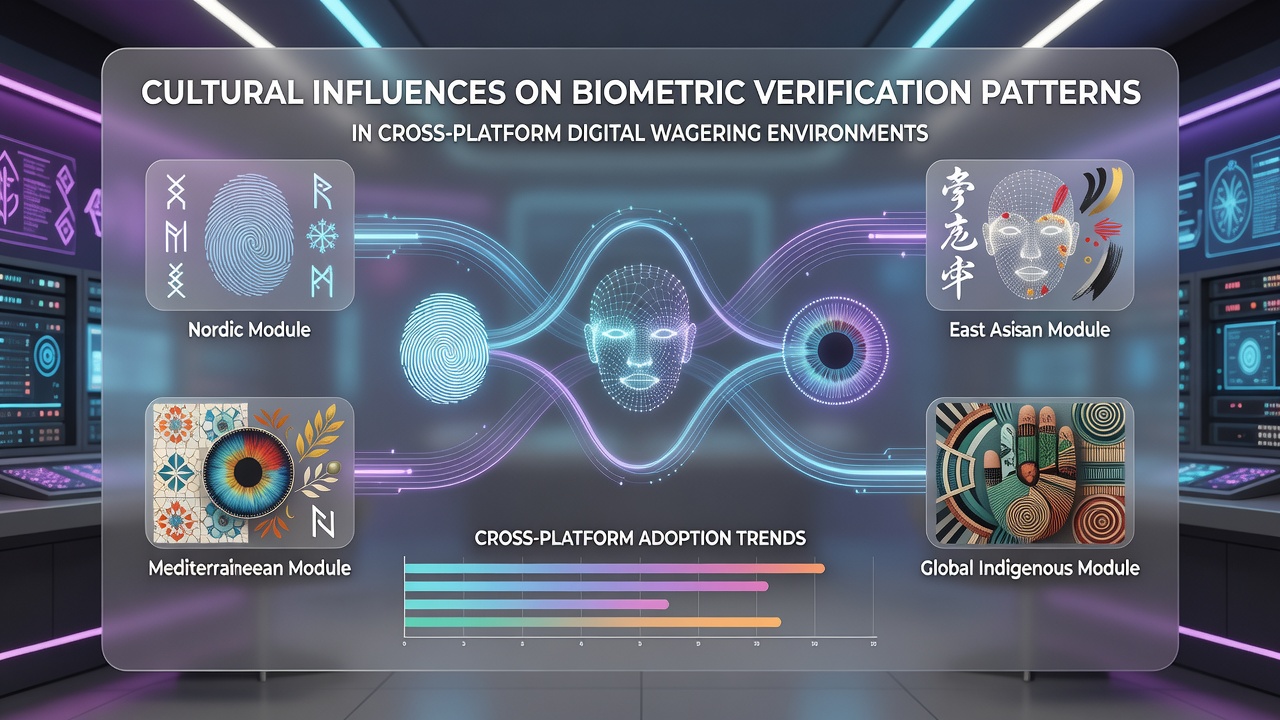
Researchers discovered that participants in North American and Australian environments tend to favor fingerprint verification on mobile devices while showing greater hesitation with facial recognition on desktop browsers. These preferences appear linked to historical experiences with consumer electronics rather than the wagering activity itself. Platforms that adapt verification flows based on detected user location and device type record smoother transitions between desktop analysis and mobile live betting.
Cross-Platform Behavior Patterns
Usage analytics from global networks demonstrate that verification completion rates improve when platforms maintain identical biometric options across operating systems. A 2026 industry analysis linked higher retention among users who verified once on mobile and continued sessions on desktop without repeated prompts. Cultural factors surface again here because some groups expect immediate fallback to password or document upload methods when biometrics fail, while others accept retry loops more readily.
Those who have tracked player migration across time zones note that verification patterns shift when users move between platforms during major international events. For instance, participants from regions with high mobile penetration complete verifications faster on smartphones even when desktop access remains available.
Regulatory Context Across Jurisdictions
Regulatory bodies in Canada and Australia have issued guidelines that encourage operators to accommodate cultural differences in biometric preferences without mandating specific technologies. Canadian federal guidance from 2025 emphasized user choice in verification methods, and similar approaches appear in Australian state-level frameworks. These policies affect how platforms design enrollment flows for international users.
Academic papers published through European research networks further highlight that biometric acceptance correlates with existing national e-government systems. Users accustomed to biometric national ID cards show faster adoption rates when the same modalities appear in wagering applications.
Future Developments in Verification Technology
Operators continue testing hybrid verification models that combine biometric data with behavioral signals, allowing platforms to adjust requirements based on session risk rather than fixed cultural profiles. Figures released in late 2026 show incremental improvements in cross-platform completion rates following these adjustments. Researchers continue monitoring how evolving cultural attitudes toward artificial intelligence in identity systems may alter these patterns over the coming years.
Conclusion
Biometric verification patterns in digital wagering environments reflect measurable cultural influences that operators address through adaptable platform design. Regional data, regulatory guidance, and usage statistics demonstrate consistent differences in method preference and completion behavior across devices. Platforms that account for these variations maintain smoother user flows while meeting security requirements in multiple jurisdictions.