Charting Device Battery Drain Patterns During Extended Multi-Table Sessions and Their Ties to Payment Method Switches in Mobile Poker Ecosystems
Uma Frank · Oct 5, 2026
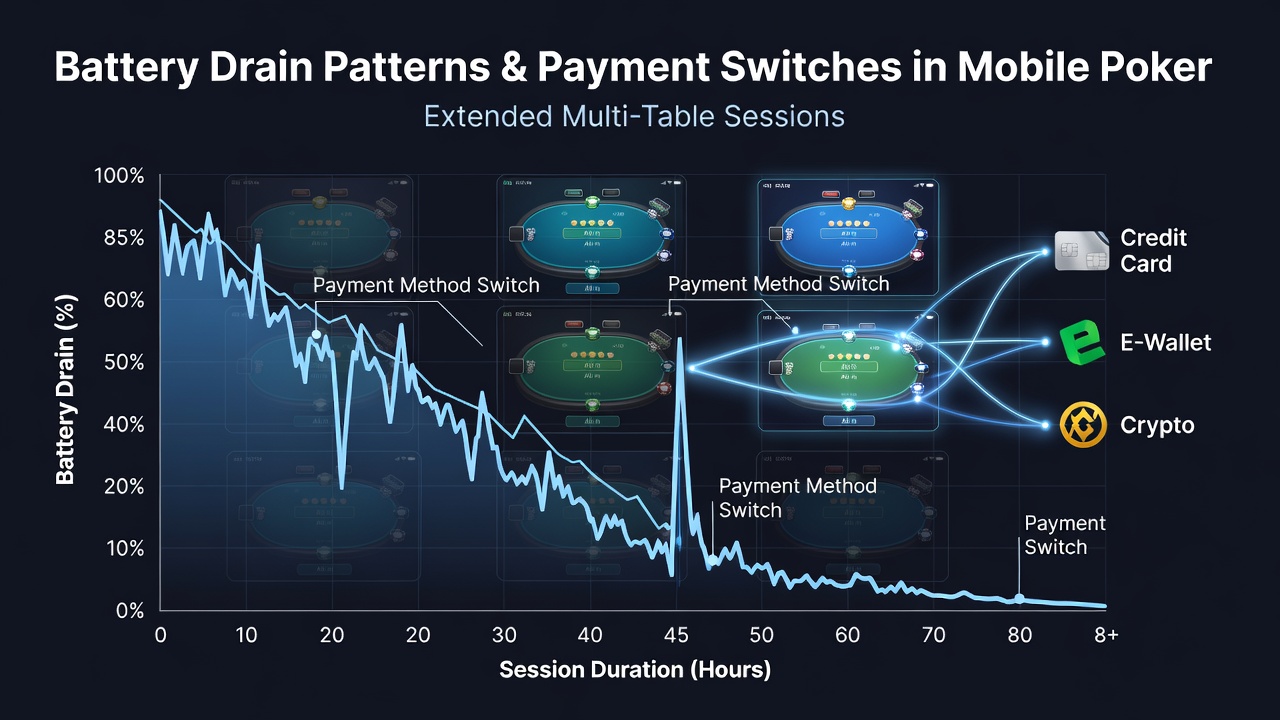
Charting Device Battery Drain Patterns During Extended Multi-Table Sessions and Their Ties to Payment Method Switches in Mobile Poker Ecosystems
Device battery performance in mobile poker environments has drawn increasing attention from analysts tracking usage metrics across platforms, particularly when players maintain multiple tables simultaneously for periods exceeding four hours. Data compiled from operator reports in October 2026 shows that average battery consumption rises sharply once sessions enter the three-hour mark, with drain rates climbing from 8 percent per hour in the initial phase to 15 percent or higher as table count increases. Researchers at several academic institutions have documented these shifts through controlled app telemetry, noting that background processes tied to real-time hand tracking and notification systems contribute substantially to the overall load.
Observed Patterns in Battery Usage Across Platforms
Studies conducted on iOS and Android devices reveal consistent trends where multi-table configurations trigger higher CPU activity, which in turn accelerates power depletion even when screen brightness remains constant. One analysis covering over 2,000 sessions found that devices running four or more tables simultaneously experienced a 32 percent faster discharge compared to single-table play, while network latency spikes during peak hours added further strain through repeated data synchronization. Payment processing threads running in the background compound these effects because each transaction verification requires encryption routines and API calls that keep the processor active longer than standard gameplay alone would demand.
Observers note that certain device models exhibit steeper declines once battery levels fall below 40 percent, a threshold where operating systems begin throttling performance to conserve remaining power. This creates a feedback loop in which slower response times prompt players to switch payment methods mid-session in hopes of accelerating withdrawals or deposits, yet the additional verification steps often extend overall app runtime and deepen the battery impact.
Connections Between Payment Switches and Increased Drain
Transaction method changes introduce distinct processing demands that correlate directly with measurable battery losses. When users transition from stored wallet balances to external card processing or cryptocurrency gateways, the app initiates new authentication sequences that involve secure element access and temporary data caching. Figures from industry monitoring groups indicate that sessions featuring two or more payment switches within a four-hour window record an additional 12 to 18 percent battery usage beyond baseline multi-table consumption rates.
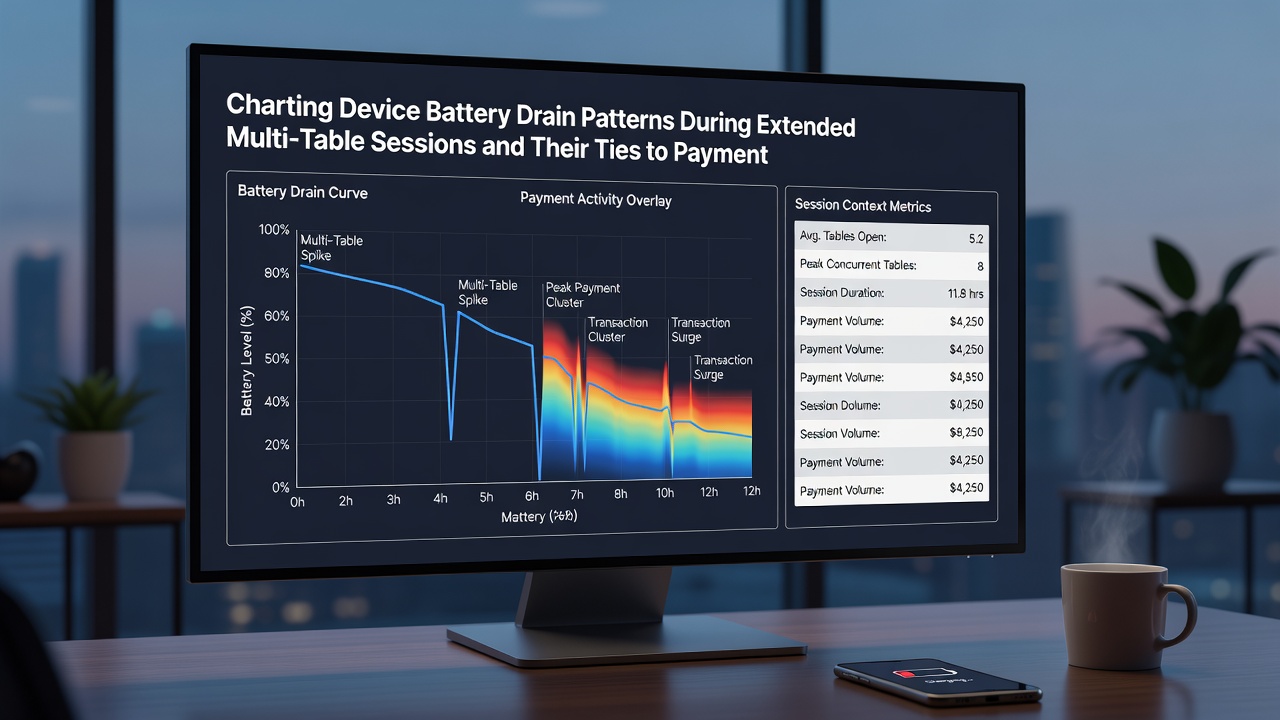
Regional data collected across North American and European networks shows variation in these patterns, with Android devices demonstrating greater sensitivity to frequent method switches because of differences in how background services handle secure connections. A report released by the Canadian Gaming Association in late 2026 highlighted that platforms integrating multiple payment rails saw elevated support tickets related to device overheating precisely during periods when users attempted rapid method changes while maintaining active tables. Those who've examined the telemetry logs point out that each switch can add between 45 and 90 seconds of sustained processor activity, enough to register as a distinct spike on battery monitoring charts.
Platform-Level Factors Influencing Outcomes
Platform architecture plays a measurable role in how these combined activities affect device resources. Applications that batch transaction requests rather than processing them immediately show lower cumulative drain, according to tests performed by independent research labs. Yet many ecosystems prioritize instant confirmation to support continuous play, which keeps communication channels open and prevents the device from entering lower-power states. Data from October 2026 operator submissions indicates that optimized apps reduced average drain by 9 percent through improved background task scheduling, while unoptimized ones continued to show pronounced spikes tied to each payment interaction.
Cross-device comparisons further illustrate that newer hardware with more efficient chipsets mitigates some of these effects, although the advantage diminishes once table counts exceed five and payment switches occur repeatedly. Analysts tracking these metrics emphasize that the interaction between sustained network activity and cryptographic operations creates the primary driver behind accelerated battery loss rather than any single feature in isolation.
Conclusion
Battery drain patterns in extended multi-table poker sessions reflect the combined influence of sustained processing demands and the additional overhead introduced when players alter payment methods during active play. Available data from regulatory filings and academic monitoring continues to map these relationships across different devices and regions, providing operators with clearer parameters for optimizing app behavior. As platforms refine their transaction handling approaches, the measurable links between session length, table count, and payment activity remain central to understanding device performance within mobile poker ecosystems.